Pleasure Activism
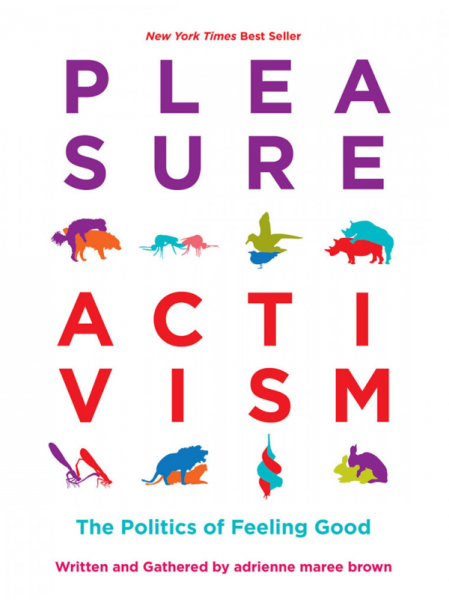
Pleasure Activism: The Politics of Feeling Good by adrienne maree brown redefines social justice through personal joy. This transformative book offers a…
Prices last checked:
Where to Buy Pleasure Activism in America
As of October 2026, Pleasure Activism is available from 2 stores in America. The best price is $27.00 USD at Babeland. Hawttt compares prices from trusted retailers so you always get the best deal.

Description
Pleasure Activism: The Politics of Feeling Good by adrienne maree brown is a transformative collection of essays that redefines social justice through the lens of personal joy and bodily autonomy. Designed for activists, feminists, and anyone seeking to align their political work with their deepest desires, this book challenges the notion that activism must be drudgery. It offers a practical framework for building movements that are sustainable, healing, and deeply rooted in the pleasure of living fully.
Redefining the Politics of Pleasure
At the core of this work is the concept of "pleasure activism," a term coined by the author to describe a politics of healing and happiness. Brown argues that changing the world does not have to be a sacrifice of one's well-being. Instead, she posits that our desires for a fulfilling life are not separate from our political goals but are the very foundation of them. By drawing on the rich traditions of Black feminism, the text invites readers to examine how societal structures have historically suppressed pleasure, particularly for marginalized communities, and how reclaiming it is a radical act of resistance.
The book is structured as a series of mindset-altering essays that are interwoven with conversations and insights from other prominent feminist thinkers. This collaborative approach ensures a multi-faceted exploration of what it means to live and fight for a better world. Readers will encounter perspectives from Audre Lorde, Joan Morgan, Cara Page, Sonya Renee Taylor, and Alexis Pauline Gumbs, among others. These voices collectively challenge the ground rules of activism, suggesting that our personal experiences with sex, race, gender, and even climate change are inextricably linked to our political realities.
Intersecting Justice and Desire
One of the most compelling aspects of this volume is its refusal to segregate "personal" issues from "political" ones. Brown and her contributors tackle a wide array of subjects, ranging from the ethics of sex work to the urgent crisis of climate change. The text explores how what feels good always has a complex politics of its own. For instance, the discussion on sex work is not merely about labor rights but about the autonomy to define one's own body and desires without shame or stigma. Similarly, the intersection of race and gender is examined not just as a system of oppression but as a site of potential joy and community building when reclaimed through pleasure activism.
The essays encourage readers to rethink their relationship with discomfort. While activism often involves confronting painful truths, this book suggests that we can also find energy and sustenance in pleasure. It asks difficult questions: How do we make social justice the most pleasurable human experience? How can we awaken within ourselves desires that make it impossible to settle for anything less than a fulfilling life? These questions are not rhetorical; they are practical prompts for re-evaluating daily habits, community interactions, and long-term goals.
A Guide for Sustainable Activism
For those who may feel burnt out by traditional forms of activism, this book offers a refreshing alternative. It posits that pleasure is not a distraction from the work of justice but a vital resource for it. By focusing on what feels good, activists can build movements that are more inclusive, resilient, and joyful. The text provides a blueprint for creating spaces where people can heal from trauma while simultaneously fighting for systemic change. This approach is particularly relevant in today's climate, where the scale of global challenges can often feel overwhelming.
The book also serves as a companion to Brown's previous work, Emergent Strategy, launching a new series that explores experimental, expansive, and innovative ways to meet the challenges of our time. It is designed for readers who are looking for actionable insights rather than just theoretical discourse. The 464 pages are packed with practical advice on how to integrate pleasure into daily life, from personal relationships to broader community organizing. It emphasizes that the opportunity for change exists within every crisis, and that our ability to feel good is a powerful tool for navigating those crises.
Who Should Read This?
This book is ideal for social justice advocates, feminists, educators, and anyone interested in the intersection of personal well-being and political action. It is particularly useful for those who struggle with burnout or who feel that traditional activism lacks a sense of joy. By reading Pleasure Activism, you will gain a new vocabulary for discussing the political implications of pleasure and how to harness it for social change. It is a call to action that is as much about self-care as it is about systemic transformation, urging readers to build a world where everyone has the right to feel good.
Specifications
- Hawttt Product ID:
- 120722
- Category:
- Toys
- Category:
- Books
- Category:
- Sex Info & How To
- Category:
- Books & Erotica
- Category:
- Culture
- Category:
- Categories
Extended Information
How do we make social justice the most pleasurable human experience? How can we awaken within ourselves desires that make it impossible to settle for anything less than a fulfilling life? Author and editor adrienne maree brown finds the answer in something she calls “pleasure activism,” a politics of healing and happiness that explodes the dour myth that changing the world is just another form of work. Drawing on the black feminist tradition, she challenges us to rethink the ground rules of activism. Her mindset-altering essays are interwoven with conversations and insights from other feminist thinkers, including Audre Lorde, Joan Morgan, Cara Page, Sonya Renee Taylor, and Alexis Pauline Gumbs. Together they cover a wide array of subjects—from sex work to climate change, from race and gender to sex and drugs—building new narratives about how politics can feel good and how what feels good always has a complex politics of its own.
Frequently Asked Questions
Where can I buy Pleasure Activism in America?
Pleasure Activism is available from 2 stores in America. It is stocked by Babeland, Goodvibes. The lowest current price is $27.00 USD at Babeland.
What is the best price for Pleasure Activism in America?
The lowest current price for Pleasure Activism in America is $27.00 USD at Babeland, based on 2 retailers tracked on Hawttt as of 18 October 2026.